How do fixed braces work?
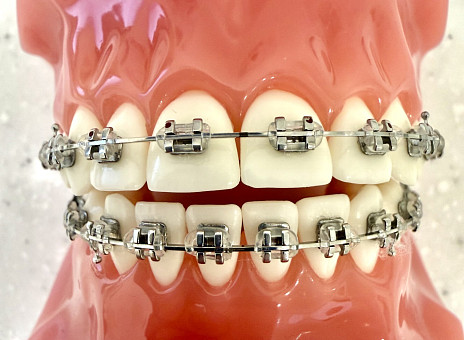
Fixed braces gradually move your teeth by applying carefully controlled forces through the brackets and orthodontic wire.
As treatment progresses, the wire is adjusted or changed to continue guiding your teeth towards their planned positions.
Because every patient responds differently to orthodontic treatment, the exact movements, treatment time and number of appointments will vary from person to person.
What happens during fixed brace treatment?
1. Orthodontic consultation
Your first appointment involves a detailed assessment of your teeth and bite. We will discuss your concerns and what you would like to achieve from treatment.
If orthodontic treatment is appropriate, we will explain the available options and discuss the expected treatment process and costs.
2. Treatment planning
Your orthodontist will assess your teeth and bite and develop a personalised treatment plan.
Depending on your individual circumstances, photographs, X-rays, scans or other records may be required to plan your treatment safely and accurately.
3. Fitting your braces
Once you decide to proceed, the brackets are carefully attached to your teeth and the orthodontic wire is fitted.
You will be shown how to look after your braces and maintain good oral hygiene throughout treatment.
4. Regular adjustments
You will attend regular appointments so that your orthodontist can monitor your progress and make adjustments to the braces when necessary.
The frequency of appointments and overall treatment time will depend on your individual treatment plan.
5. Retention
Once your teeth have reached their planned positions, the braces are removed and retainers are provided.
Retainers are an important part of orthodontic treatment because teeth can naturally move after braces have been removed. Wearing your retainers as instructed helps maintain your new smile.
How long do fixed braces take?
Treatment time varies depending on the complexity of the orthodontic problem, the amount of tooth movement required and how your teeth respond to treatment.
Your orthodontist will provide an estimated treatment time following your assessment, but it is important to understand that individual treatment times can vary.
Regular appointments and following your orthodontist's instructions can help keep treatment progressing as planned.
Looking after your teeth with fixed braces
Good oral hygiene is particularly important while wearing fixed braces because food and plaque can collect around the brackets and wires.
You should:
- Brush your teeth carefully around the brackets and gumline
- Clean between your teeth regularly
- Follow your orthodontist's advice about cleaning around your braces
- Attend your regular dental and hygiene appointments
- Avoid foods that could damage brackets or wires
- Follow any specific dietary advice provided by your orthodontist
Keeping your teeth and gums healthy throughout orthodontic treatment is essential for achieving the best possible result.
Fixed braces or Invisalign?
Fixed braces and Invisalign clear aligners can both be effective orthodontic treatments, but they work in different ways.
Fixed braces remain attached to the teeth throughout treatment, while Invisalign uses a series of removable, virtually invisible clear aligners.
Invisalign can be an attractive option for patients who prefer a discreet and removable treatment. Fixed braces can provide excellent control over tooth movement and may be particularly appropriate for certain orthodontic cases.
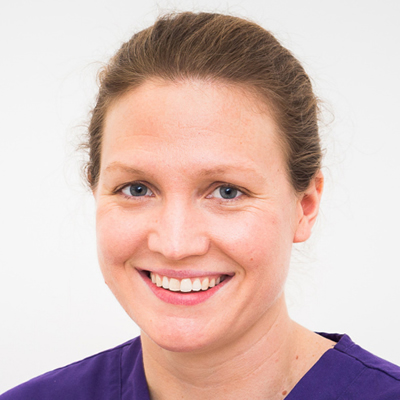
Dr Philippa Rudge can assess your teeth and bite and explain which option is most appropriate for you.
Find out more about Invisalign in Richmond
Orthodontic treatment costs in Richmond
Our current orthodontic fees include:
- Orthodontic consultation: £70, deducted from the cost of treatment
- Metal braces – single arch: from £3,000
- Metal braces – both arches: from £3,750
- Ceramic braces – single arch: from £3,250
- Ceramic braces – both arches: from £4,000
- Invisalign: from £4,500
- Invisalign Lite: from £3,000
- Removable retainers: £130 per arch
- Fixed retainers: £350 per arch
Treatment fees are based on your individual treatment plan. We will explain the recommended treatment and costs before you begin.
We also offer 0% finance on eligible treatments to help spread the cost of orthodontic treatment.
Why choose Kew Road Dental for orthodontic treatment?
Specialist orthodontic expertise
Your treatment is provided by Dr Philippa Rudge, a GDC-registered Specialist Orthodontist with dedicated postgraduate training in orthodontics.
Personalised treatment plans
Every orthodontic case is different. We carefully assess your teeth and bite before recommending a treatment approach suited to your individual needs.
Treatment for children and adults
We provide orthodontic treatment for children, teenagers and adults, with treatment planned around each patient's dental development, lifestyle and goals.
Metal and ceramic fixed braces
We offer both traditional metal braces and more discreet ceramic braces, allowing you to choose the option that best suits your needs.
0% finance available
We offer 0% finance on eligible treatments from £500, helping you spread the cost of treatment.
Convenient Richmond location
Kew Road Dental is conveniently located on Kew Road, close to Richmond town centre and Richmond Station, making appointments accessible for patients from Richmond, Kew, East Sheen, Twickenham and surrounding areas.
Frequently Asked Questions
Are fixed braces suitable for adults?
Yes. Fixed braces can be used to treat adults as well as teenagers and children. Your orthodontist will assess your teeth and gums and determine which treatment options are appropriate for you.
Are fixed braces painful?
You may experience some pressure or mild discomfort when braces are first fitted or adjusted. This usually settles as your mouth becomes accustomed to the braces.
Can I eat normally with fixed braces?
You can eat most foods, but some foods should be avoided because they can damage brackets or wires. Your orthodontist will provide advice about foods to avoid during treatment.
Can fixed braces fix an overbite?
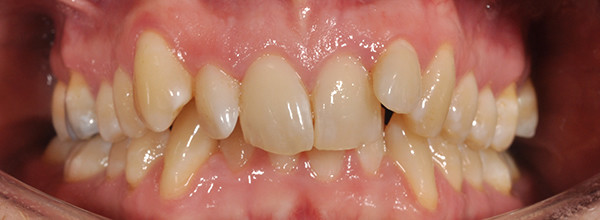
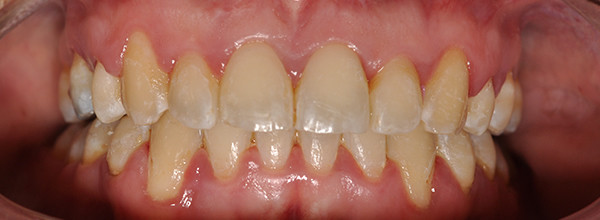
Fixed braces can be used to treat many different types of bite problems, including overbites. The appropriate treatment depends on the cause and severity of the bite problem and will be assessed during your orthodontic consultation.
How often will I need appointments?
You will need regular appointments so that your orthodontist can monitor your progress and adjust your braces. The exact frequency will depend on your treatment plan.
What happens after my braces are removed?
You will normally be provided with retainers to help keep your teeth in their new positions. Retention is an important part of orthodontic treatment because teeth can naturally move over time.
Are ceramic braces less noticeable than metal braces?
Yes. Ceramic braces use tooth-coloured or translucent brackets, making them less noticeable than traditional metal brackets.
Can I have Invisalign instead of fixed braces?
Invisalign may be suitable for many patients, but the most appropriate treatment depends on your teeth and bite. Dr Philippa Rudge can assess your orthodontic needs and explain whether Invisalign or fixed braces would be more suitable.
Book an orthodontic consultation in Richmond
If you are considering fixed braces for yourself or your child, an orthodontic consultation is the best way to understand your treatment options.
Dr Philippa Rudge can assess your teeth and bite, discuss your goals and explain the most appropriate treatment for your individual needs.
Contact Kew Road Dental on 0203 667 6235 to arrange an orthodontic consultation in Richmond.